


Milan after the Olympics: where to buy a home now (and why)
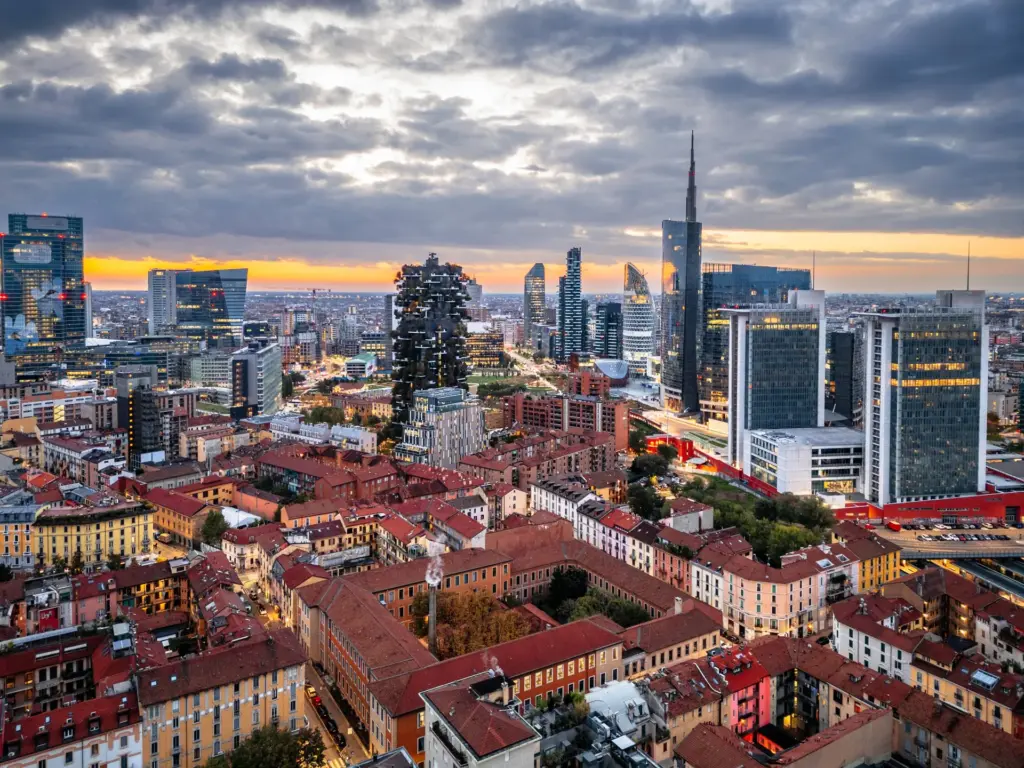
The legacy of the Winter Olympic Games has accelerated development across key districts of Milan, building on an urban transformation that has reshaped modern living standards in recent decades. The Lombard capital is now a polycentric city combining historical character with targeted infrastructure projects, ecological continuity and a renewed focus on everyday liveability.
The completion of the M4 metro line and the gradual redevelopment of former railway yards have reconnected strategic districts, changing how residents enjoy public spaces between art, fine dining and social life. In this dynamic landscape, the market for luxury homes in Milan favours neighbourhoods that offer cultured, cosmopolitan buyers a rare balance between privacy and vibrant community life.
Porta Romana and the Scalo: the new focal point of the Olympic legacy
The southern sector of Milan is the true epicentre of this post-Olympic transformation, driven by the regeneration of Scalo di Porta Romana.
The area, home to the Olympic Village which will be converted into student accommodation and local amenities, has become one of the city’s most appealing development hubs. Cutting-edge, low-emission architecture sits alongside the contemporary art district of Fondazione Prada and a new elevated urban forest above the railway tracks.
Living in Porta Romana means choosing a pioneering setting with high potential for capital appreciation, where innovative residential designs attract international investors, creatives and young executives looking for understated, sustainable and well-connected luxury.
Brera and the Quadrilatero: preserving historic charm between courtyards and ateliers
In the ancient heart of Milan, the enhancement of the historic centre focuses on heritage protection and privacy, supported by limited traffic zones and extensive pedestrian areas. Along the cobbled streets of Brera, buyers favour period apartments tucked behind understated facades, complete with 16th-century loggias and secret gardens that offer unexpected tranquillity close to the Orto Botanico and independent galleries.
Just to the south, the district bounded by via Montenapoleone, via Manzoni and via della Spiga maintains a distinctive dual character. Iconic haute couture fashion houses sit beside intimate bistros, historic residences with smart-home technology and discreet private members’ clubs. Living here offers a timeless way of life, where morning coffee is enjoyed alongside antique dealers and collectors in refined, historic surroundings.
Porta Nuova and CityLife: established vertical living and urban parks
Established as the twin pillars of modern Milanese architecture, Porta Nuova and CityLife remain key reference points for global finance and international families.
Porta Nuova, set around the green spaces of Biblioteca degli Alberi, draws buyers seeking panoramic penthouses with terraces designed as seamless extensions of the living area. Life here revolves around contemporary piazzas featuring Michelin-starred restaurants, concept stores and pedestrian links to Stazione Centrale.
To the west, CityLife expresses a similar concept through sculptural geometries designed by leading international architects. Set within one of Milan’s major central parks, the residences offer 24-hour security, dedicated concierge services and integrated sports facilities, tailored to those looking for generous proportions and abundant natural light.
Magenta–San Vittore: classic elegance among Art Nouveau palazzi and quiet discretion
The momentum of new developments has also sparked renewed appreciation for the city’s traditional residential quarters, which retain their timeless spirit alongside an active cultural scene.
Around corso Magenta and the medieval maze of the Cinque Vie, one finds Art Nouveau palazzi and period buildings defined by high ceilings, original cornicing and discreetly guarded entrances. Daily life retains an authentic Milanese rhythm, marked by historic pastry shops, artisanal ateliers and independent bookshops frequented by long-standing local families.
Proximity to prestigious universities and the peace of tree-lined courtyards make these streets the prime destination for buyers looking for a discreet haven where architectural heritage meets understated elegance.


